India's native cattle breeds were not designed. They were selected, slowly, by the places they lived in and by the families who kept them.
What adaptation actually bought us
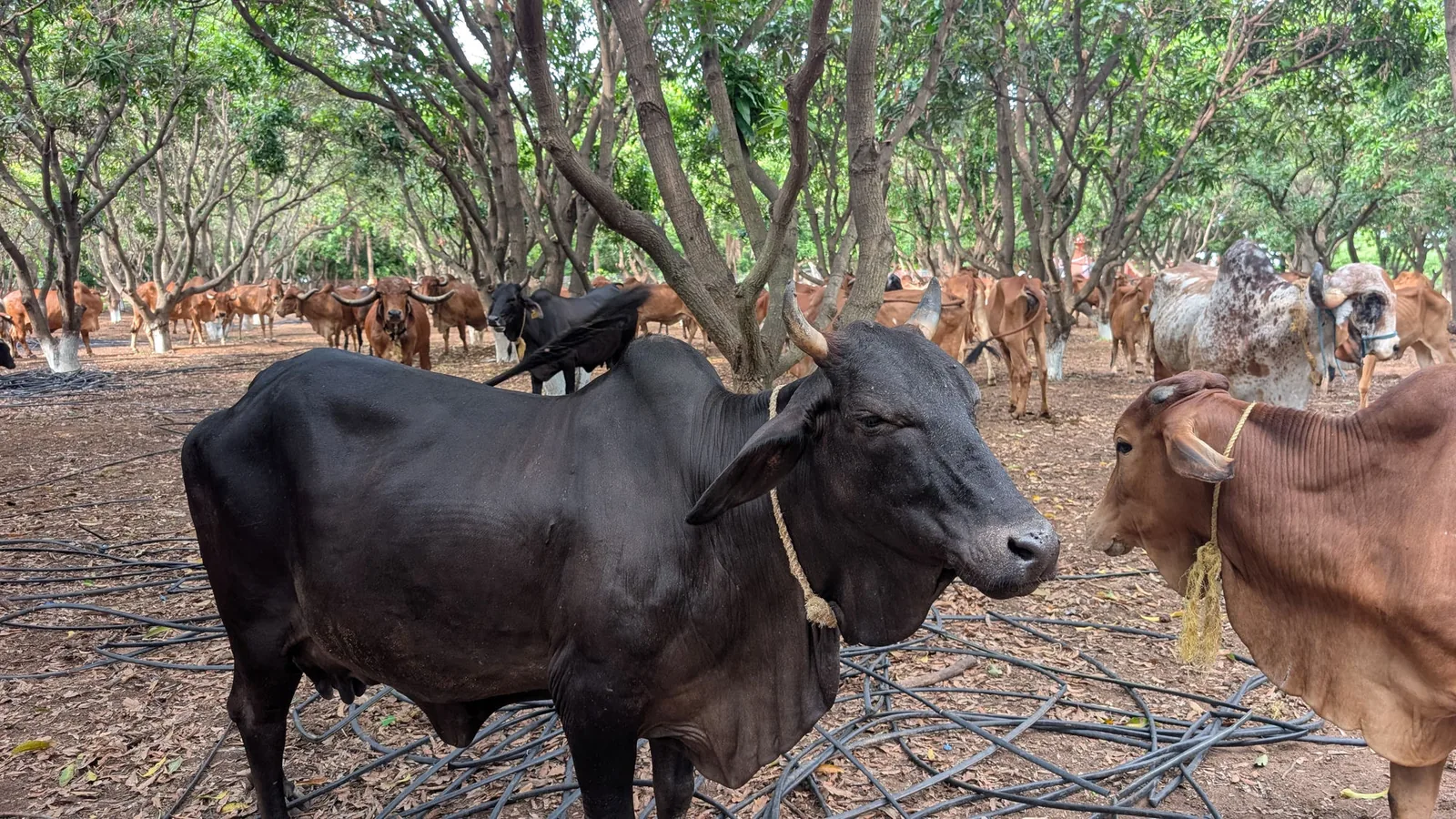
A Gir, an Ongole, a Kangayam, a Punganur, a Vechur: each of these is a solution to a specific problem of heat, humidity, fodder scarcity or disease pressure in a specific part of the country. Indigenous cattle generally carry good heat tolerance and tick resistance, and they can hold condition on rougher fodder than high-yield exotic breeds can.
Those traits are not sentimental. They are exactly the traits that matter more as summers get hotter and fodder gets less predictable.
The narrowing
When breeding chases milk yield alone, the population narrows toward a few high-producing lines, and the rarer local breeds thin out. Some Indian breeds are now down to small populations concentrated in a few districts. Once a breed's numbers fall below a certain point, the genetic diversity inside it collapses even if a handful of animals survive.
When a breed disappears, we lose more than an animal. We lose genetic diversity, we lose knowledge, and we may lose possibilities that future generations could need.
Why bulls decide this
A conservation programme that protects only cows is not a conservation programme. Genetics travel through both parents, and healthy indigenous male lines are the scarcer half of the problem: bulls are expensive to keep, dangerous to handle carelessly, and produce nothing sellable day to day. That is precisely why they get abandoned, and precisely why Kāmya's Rishabha Shala exists.
What we are trying to do
Keep the animals alive. Keep records of who is related to whom. Breed responsibly, naturally where it is safe and appropriate, with veterinary oversight. Not to romanticise the past, but to keep options open.